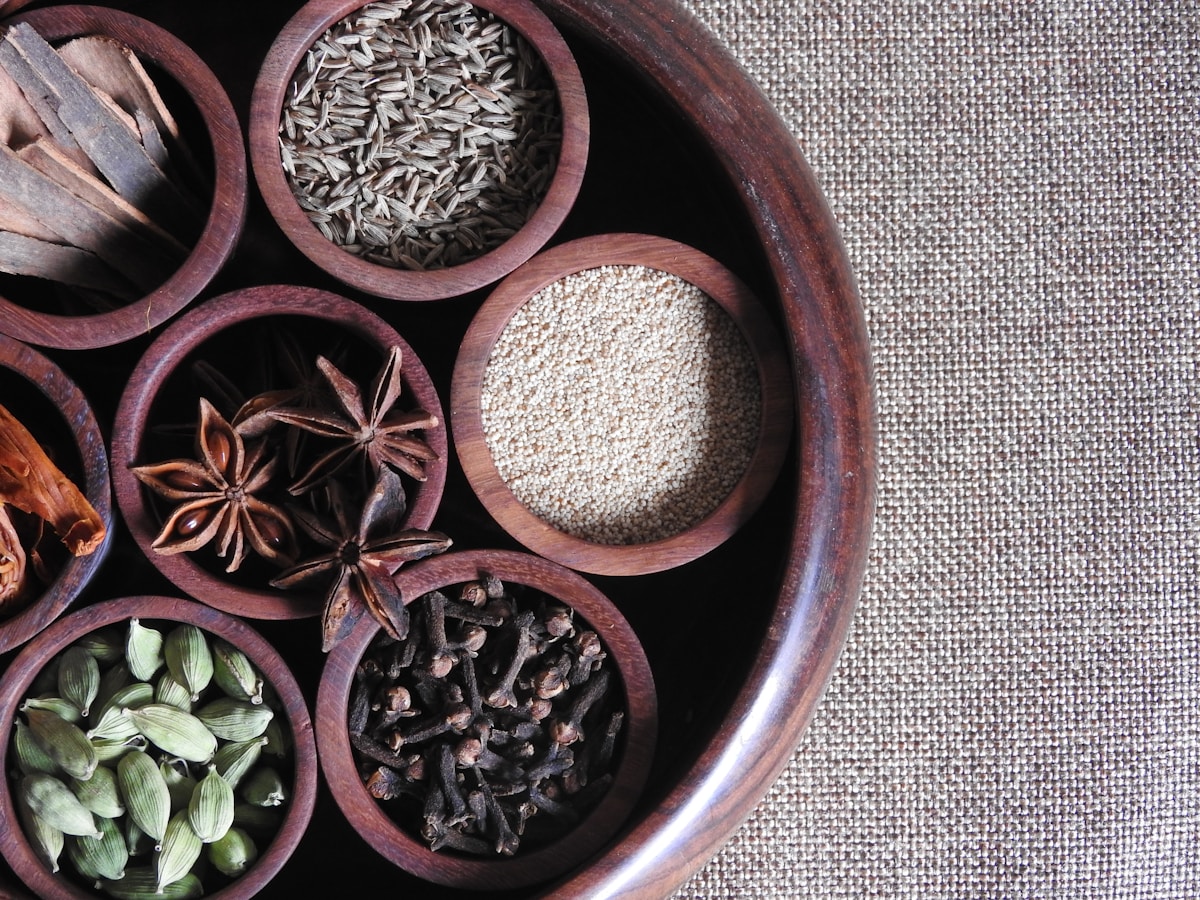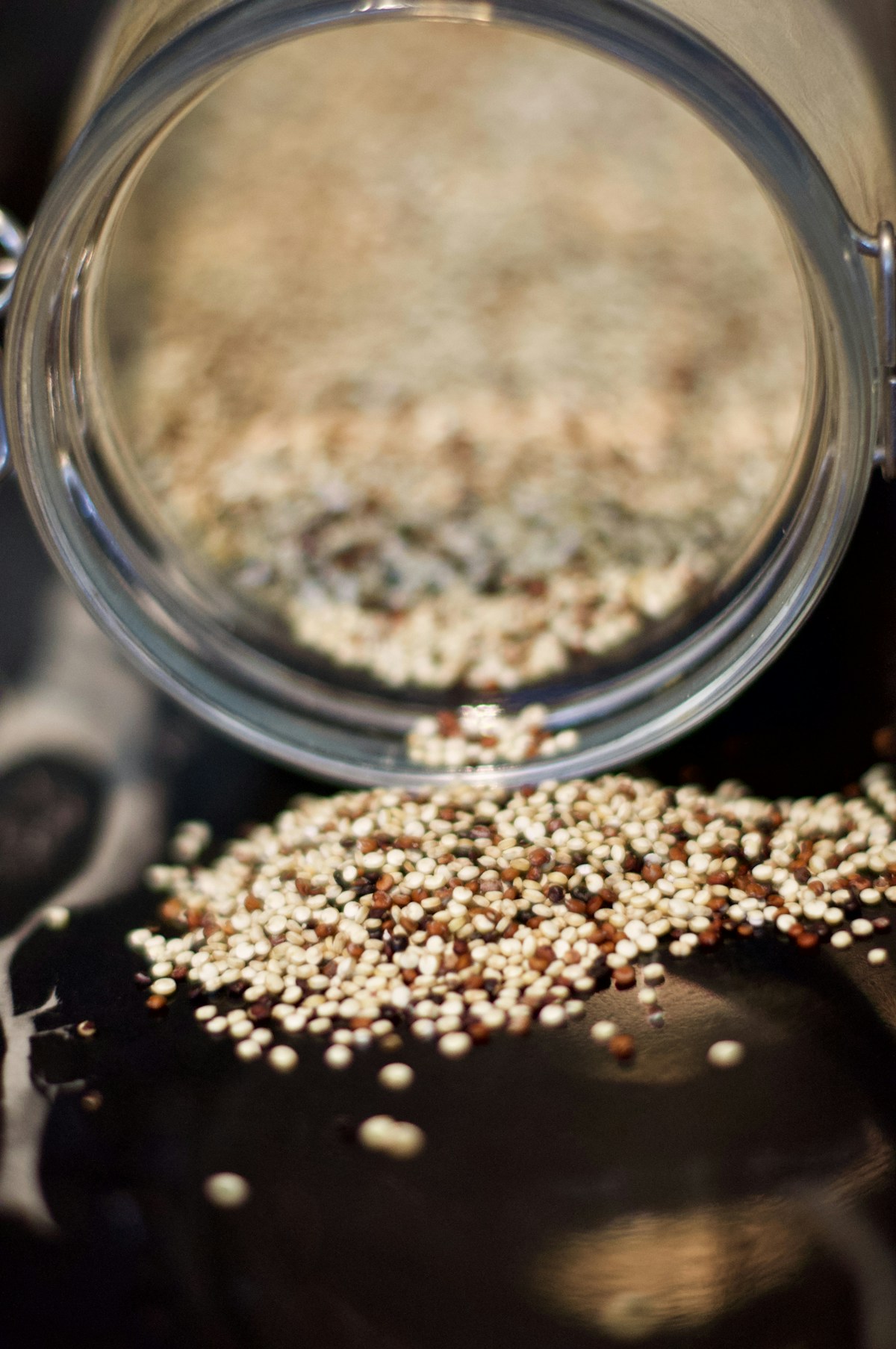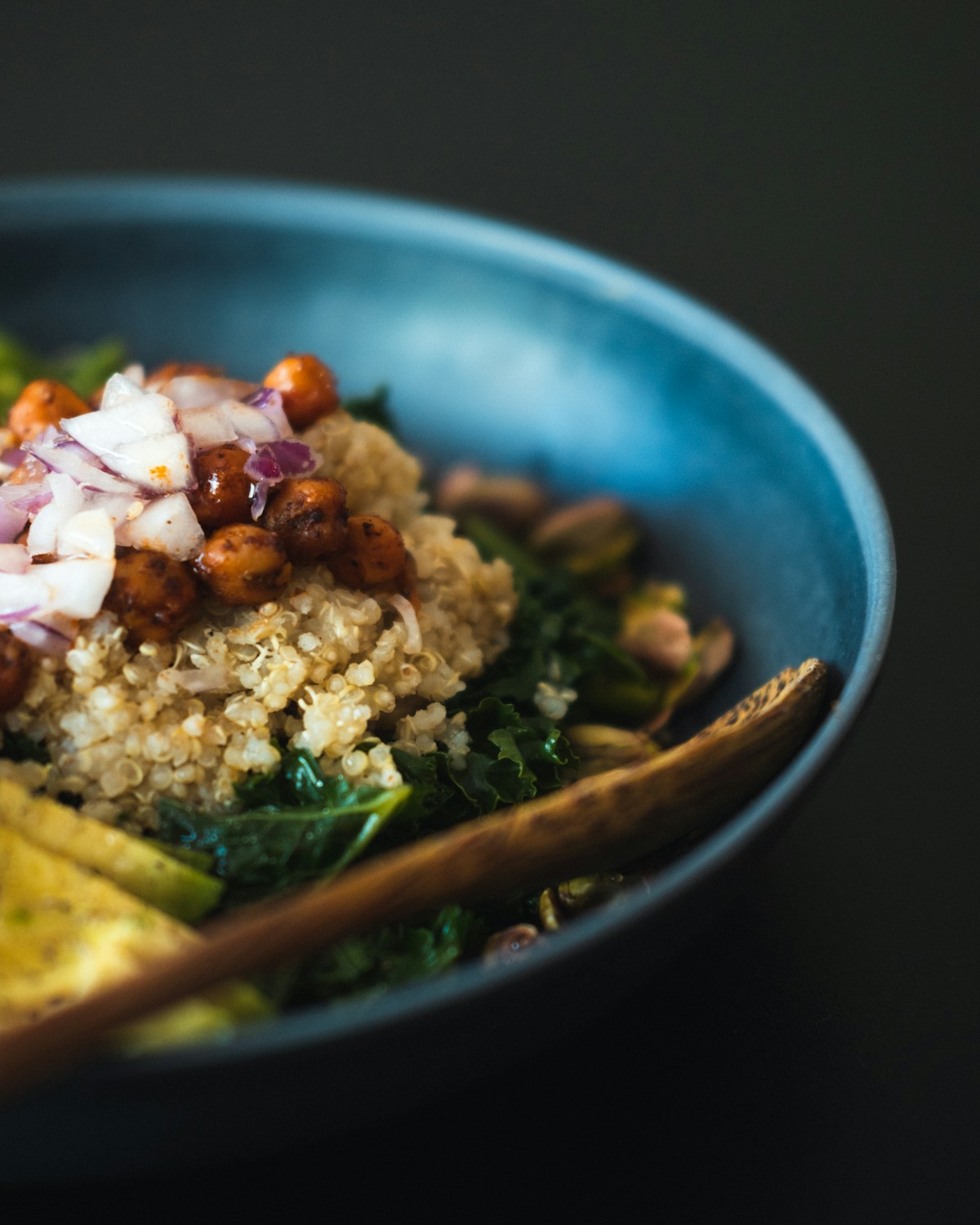
Quinoa has traveled a long way from the Andean highlands where it originated thousands of years ago. What was once a sacred crop for the Inca Empire now shows up in kitchens on every continent, adapted into dishes that would be unrecognizable to the people who first cultivated it. And that is exactly what makes quinoa such a remarkable ingredient — it does not fight with other flavors. It absorbs them, carries them, and lets each cuisine speak for itself.
If you have been cooking quinoa the same way every week, this guide is your invitation to go further. We are going to walk through six major culinary traditions and show you how quinoa fits naturally into each one. You will find spice pairings, preparation techniques, signature dishes, and enough ideas to keep your meal rotation interesting for months. Some of these combinations are rooted in centuries of tradition. Others are modern adaptations that work because quinoa’s mild, nutty flavor plays well with almost anything you throw at it.
For a deeper dive into the specific spice blends mentioned throughout this guide, our quinoa spice guide breaks down seasonings by cuisine with exact measurements and aromatic bases. And if you want the full backstory on how quinoa went from an ancient Andean staple to a global pantry ingredient, our history of quinoa covers the complete timeline.
Let’s start where it all began.
South American: Where Quinoa Was Born
You cannot talk about quinoa around the world without starting in South America. This is where quinoa was first domesticated roughly 5,000 years ago in the region surrounding Lake Titicaca, which straddles modern-day Peru and Bolivia. The Inca called it chisaya mama — the mother of all grains — and it was central to their diet, their agriculture, and their spiritual life.
Traditional Andean Preparations
In the Andes, quinoa has never been a trendy health food. It is a staple, prepared simply and eaten daily. Traditional preparations tend to be straightforward because the grain itself was the point, not a vehicle for elaborate sauces.
Quinoa soup (sopa de quinua) is one of the most common traditional dishes. It is a hearty, brothy soup built on a base of onion, garlic, and aji amarillo (a mild Peruvian yellow pepper). The quinoa cooks directly in the broth alongside potatoes, sometimes with chunks of cheese stirred in at the end. It is comfort food in the purest sense — warm, filling, and deeply savory. If you enjoy quinoa in soups, our quinoa soup recipes guide has several variations worth trying.
Pesqu de quinua is a traditional Bolivian dish from the Altiplano region. You cook quinoa until it is very soft, almost porridge-like, then stir in fresh cheese and milk until it reaches a creamy consistency. It is served as a side dish alongside roasted meats or eaten on its own for breakfast. The texture is somewhere between risotto and polenta.
Quinoa salteado is a pan-fried preparation common in Peru. Cooked quinoa gets tossed in a hot skillet with vegetables, sometimes with a bit of soy sauce (a nod to the strong Japanese and Chinese culinary influence in Peruvian cooking). It is fast, flexible, and essentially the South American ancestor of quinoa fried rice.
Key Flavors and Techniques
South American quinoa cooking relies on a relatively small set of flavors that recur across the continent:
- Aji peppers — aji amarillo for mild warmth, aji panca for deeper, smokier heat
- Fresh herbs — cilantro and huacatay (black mint, common in Peru)
- Alliums — onion and garlic as the aromatic base for almost everything
- Cheese — queso fresco or similar fresh cheeses stirred into cooked quinoa
- Lime — squeezed over finished dishes for brightness
- Potatoes — frequently paired alongside quinoa in soups and stews
The technique worth borrowing from South American tradition is toasting dry quinoa before cooking it. Many Andean cooks toast the grains in a dry skillet until they start to pop and smell nutty. This deepens the flavor significantly and gives the finished quinoa a more complex, roasted quality that works well in any cuisine.
Modern South American Quinoa Dishes
Contemporary South American restaurants have pushed quinoa into more creative territory. You will find quinoa used as a coating for fried fish, folded into empanada fillings, and turned into cold salads dressed with lime and rocoto pepper. In Lima, quinoa risotto has become a menu staple — prepared exactly like Italian risotto but with quinoa replacing arborio rice, finished with Parmesan and sometimes a swirl of aji amarillo paste.
Mediterranean: Bright, Herbal, and Sun-Soaked
Mediterranean cuisine and quinoa are a natural match. The cooking style already relies heavily on grains, legumes, olive oil, fresh herbs, and vegetables — quinoa slides right in as a substitute for bulgur, couscous, or rice without requiring any fundamental changes to the flavor profile.
Tabbouleh Reinvented
The most obvious Mediterranean application is tabbouleh. Traditional tabbouleh is a Lebanese salad built on fine bulgur wheat, but quinoa works beautifully as a substitute. You get a similar texture with the added benefit of more protein and a naturally gluten-free dish. The key is keeping the herb-to-grain ratio correct — real tabbouleh is mostly parsley and mint with just enough grain to give it body. Our quinoa tabbouleh recipe gets this balance right and makes a version that holds up well for meal prep.
Tips for great quinoa tabbouleh:
- Cook the quinoa and spread it on a sheet pan to cool completely before mixing — warm quinoa will wilt the herbs
- Use flat-leaf parsley, not curly, and chop it by hand rather than in a food processor
- Dress it generously with lemon juice and good olive oil
- Let it sit for at least 30 minutes before serving so the flavors meld
Greek-Inspired Bowls
Greek flavors translate perfectly to quinoa bowls. The combination of cucumber, tomato, red onion, Kalamata olives, and feta over a bed of lemon-herb quinoa is one of those meals that tastes like you put in far more effort than you actually did. Our Greek quinoa bowl is a complete template for this approach, with the dressing and toppings already dialed in.
What makes Greek quinoa bowls work so well is the contrast of textures and temperatures. The quinoa is warm or room temperature, the vegetables are cool and crisp, the feta is creamy and salty, and the olives add a briny punch. A drizzle of red wine vinaigrette or a simple lemon-olive oil dressing ties it together. For more dressing ideas that work with Mediterranean bowls, check out our quinoa dressings and sauces guide.
Italian Risotto-Style Quinoa
Using quinoa as a risotto substitute is one of the more elegant Mediterranean applications. The technique is similar to traditional risotto — you toast the quinoa in olive oil with shallots, then add warm broth gradually while stirring. Quinoa does not release starch the way arborio rice does, so the creaminess comes from finishing with butter and grated Parmesan rather than from the grain itself.
A basic quinoa risotto method:
- Saute finely diced shallots in olive oil and butter until translucent
- Add one cup of rinsed quinoa and stir for one minute to toast
- Pour in a splash of white wine and stir until absorbed
- Add warm broth one ladle at a time, stirring frequently, until the quinoa is tender and the mixture is creamy (about 18-20 minutes total)
- Remove from heat, stir in grated Parmesan and a knob of butter
- Season with salt, pepper, and a squeeze of lemon
You can build on this base with mushrooms, asparagus, peas, roasted butternut squash, or any vegetable that works in traditional risotto. The result is lighter than rice risotto but just as satisfying.
Broader Mediterranean Ideas
Beyond these three anchors, quinoa fits into the Mediterranean framework in dozens of ways:
- Stuffed vegetables — use seasoned quinoa to fill tomatoes, bell peppers, or zucchini, then bake until tender
- Grain salads — toss cooked quinoa with roasted red peppers, artichoke hearts, sun-dried tomatoes, and a bold vinaigrette
- Soups — add quinoa to minestrone or any brothy vegetable soup as a protein boost
- Flatbread toppings — scatter cooked quinoa over flatbread with hummus, roasted eggplant, and fresh herbs
Our Mediterranean quinoa salad is a great starting point if you want a versatile recipe that covers the core flavor profile and works as both a side dish and a light main course.
Mexican and Tex-Mex: Bold, Warm, and Satisfying
Quinoa has found a very comfortable home in Mexican and Tex-Mex cooking. The flavor profile — cumin, chili, lime, cilantro — pairs so naturally with quinoa’s nutty base that it almost feels like they were meant to go together. And the dish formats (bowls, stuffed peppers, burritos, salads) are perfectly suited to a grain that holds its shape and absorbs bold seasonings.
Burrito Bowls
The quinoa burrito bowl is probably the single most popular quinoa dish in North America, and for good reason. It checks every box — filling, flavorful, customizable, and easy to meal prep. The base is quinoa cooked with cumin and chili powder, topped with black beans, corn, salsa, avocado, cheese, and whatever else you want to pile on.
Our quinoa burrito bowls recipe has the full build, but the key insight is that the quinoa itself needs to be well seasoned. Do not just cook plain quinoa and dump salsa on top. Cook the quinoa in broth with cumin, smoked paprika, and a pinch of cayenne. That way the flavor goes all the way through the bowl, not just on the surface.
Building a great burrito bowl — the layering order matters:
- Base — seasoned quinoa, warm
- Protein — black beans, seasoned ground turkey, shredded chicken, or carne asada
- Vegetables — roasted corn, sauteed peppers and onions, diced tomatoes
- Cool toppings — avocado or guacamole, shredded lettuce, pico de gallo
- Finishing touches — sour cream or crema, shredded cheese, fresh cilantro, lime wedge, hot sauce
Stuffed Bell Peppers
Quinoa-stuffed bell peppers are a Tex-Mex classic that works equally well as a weeknight dinner or a meal to impress guests. The filling is a mixture of cooked quinoa, seasoned ground meat or black beans, corn, diced tomatoes, and cheese. Pack it into halved bell peppers, top with more cheese, and bake until the peppers are tender and the cheese is bubbly.
The trick to great stuffed peppers is pre-cooking the peppers slightly before filling them. Either blanch them in boiling water for three minutes or roast them cut-side down at 400 degrees for ten minutes. This ensures the pepper is fully tender by the time the filling is heated through.
Other Mexican and Tex-Mex Applications
- Quinoa taco filling — cook quinoa with taco seasoning and black beans for a vegetarian taco filling that has genuine substance
- Mexican quinoa soup — a tomato-based soup with quinoa, black beans, corn, and plenty of cumin and chili powder, finished with lime and cilantro
- Quinoa enchilada casserole — layer seasoned quinoa with enchilada sauce, cheese, and beans in a baking dish for a simplified enchilada
- Southwestern quinoa salad — cold quinoa tossed with black beans, corn, bell peppers, red onion, and a cumin-lime dressing
Asian: Clean, Balanced, and Full of Umami
Asian cuisines offer some of the most exciting possibilities for quinoa, in part because rice is already central to so many dishes. Quinoa can step into that role while adding its own nutritional advantages, and the bold, layered flavors of Asian cooking make quinoa taste anything but boring.
Stir-Fries and Fried Rice
Quinoa fried rice is one of those dishes that sounds like a compromise but actually delivers on its own merits. The smaller grain size means every piece picks up flavor from the soy sauce, sesame oil, and aromatics. You get more seasoned surface area per bite compared to rice.
The technique is the same as traditional fried rice — start with day-old, cold quinoa (freshly cooked quinoa is too moist and will steam rather than fry). Heat a wok or large skillet until it is smoking hot, add oil, scramble eggs to one side, then add the quinoa and toss aggressively. Season with soy sauce, a touch of sesame oil, and white pepper. Fold in whatever vegetables and protein you have on hand. Our quinoa fried rice recipe walks through the full process.
Stir-fry fundamentals for quinoa:
- Always use cold, cooked quinoa — spread it on a sheet pan after cooking and refrigerate for at least a few hours
- Get your pan extremely hot before adding anything
- Cook aromatics (garlic, ginger, scallion whites) first, then add quinoa
- Season with a combination of soy sauce (salt and umami), rice vinegar (acid), and sesame oil (nutty depth)
- Finish with scallion greens and toasted sesame seeds
Sushi-Inspired Bowls
Quinoa makes an excellent base for poke-style and sushi-inspired bowls. Season cooked quinoa with a splash of rice vinegar, a pinch of sugar, and a touch of salt — the same seasoning you would use for sushi rice. Top with cubed raw fish (tuna or salmon), avocado, cucumber, edamame, pickled ginger, and a drizzle of soy sauce or spicy mayo.
These bowls work because quinoa provides a neutral, slightly tangy base that lets the fish and toppings shine. The texture is different from sushi rice, but in a good way — lighter and less sticky, which actually makes the bowl easier to eat.
Thai Flavors
Thai cuisine brings a completely different set of flavors to quinoa — lemongrass, Thai basil, fish sauce, coconut milk, lime, and chili. The balance of sweet, sour, salty, and spicy that defines Thai cooking translates beautifully to quinoa salads and warm bowls.
Our Thai peanut quinoa salad is a perfect example. The peanut dressing coats every grain of quinoa with a creamy, tangy, slightly sweet sauce, and the crunch of vegetables and peanuts gives the dish layers of texture. It works warm or cold, which makes it ideal for meal prep.
Thai-inspired quinoa ideas:
- Coconut quinoa — cook quinoa in a mixture of coconut milk and water with a stalk of lemongrass and a kaffir lime leaf for a fragrant, creamy base
- Thai basil quinoa stir-fry — a quick stir-fry with garlic, chili, Thai basil, and a splash of fish sauce and oyster sauce
- Peanut quinoa noodle bowls — serve seasoned quinoa alongside rice noodles with a peanut-lime dressing, shredded cabbage, carrots, and herbs
- Green curry quinoa — fold cooked quinoa into a green curry sauce with vegetables and serve as you would rice
Japanese-Inspired Preparations
Japanese cooking brings precision and restraint to quinoa. Teriyaki quinoa bowls — with glazed salmon or chicken over quinoa, alongside steamed vegetables and pickled ginger — are a staple for good reason. Our teriyaki salmon quinoa bowls deliver a complete, balanced meal with a homemade teriyaki glaze that is far better than anything from a bottle.
Other Japanese-inspired approaches include mixing quinoa into onigiri (rice balls) for added nutrition, using it as a base for donburi-style rice bowls, or folding it into miso soup as a hearty addition.
Indian-Spiced Quinoa
Indian cuisine and quinoa have a natural affinity because Indian cooking already features a wide variety of grain and legume dishes. Quinoa can substitute for rice in biryani-style preparations, stand in for bulgur in upma, or serve as the base for dal bowls.
A simple Indian-spiced quinoa pilaf:
- Heat ghee or oil in a saucepan over medium heat
- Add one teaspoon of cumin seeds and let them sizzle for 15 seconds
- Add diced onion and cook until golden, about five minutes
- Stir in one teaspoon each of turmeric, ground coriander, and garam masala, plus half a teaspoon of grated fresh ginger
- Add rinsed quinoa and stir for one minute
- Pour in broth, season with salt, bring to a boil, then reduce to a simmer and cover for 15 minutes
- Fluff with a fork and fold in fresh cilantro, toasted cashews, and a squeeze of lemon
This pilaf works as a side for any curry, as a base for a chickpea-and-vegetable bowl, or topped with a fried egg for a quick lunch. The turmeric gives the quinoa a gorgeous golden color, and the garam masala adds warmth without heat.
Middle Eastern: Warm Spices and Fresh Herbs
Middle Eastern cuisine has a long tradition of grain-based dishes — freekeh, bulgur, couscous, and rice all play central roles. Quinoa fits into this tradition seamlessly because the flavor profile of Middle Eastern cooking — warm spices, bright herbs, tangy dressings, and creamy sauces — works beautifully with quinoa’s neutral base.
Pilafs and Grain Dishes
The Middle Eastern pilaf is perhaps the most natural home for quinoa in this cuisine. A traditional pilaf involves toasting the grain in butter or oil with aromatics, then cooking it in seasoned broth. With quinoa, the technique is identical and the results are excellent.
Essential Middle Eastern pilaf spices:
- Cumin — the backbone of most Middle Eastern spice blends
- Cinnamon — just a pinch, for warmth without sweetness
- Coriander — earthy and slightly citrusy
- Allspice — a small amount adds depth
- Cardamom — aromatic and distinctive
- Sumac — tangy and slightly fruity, excellent as a finishing spice
- Za’atar — a blend of thyme, oregano, sesame seeds, and sumac that works as both a cooking spice and a garnish
A quinoa pilaf seasoned with cumin, cinnamon, and a pinch of allspice, finished with toasted pine nuts and fresh mint, is one of the most elegant side dishes you can make. It pairs with grilled lamb, roasted chicken, or kebabs and takes about 20 minutes from start to finish.
Fattoush with Quinoa
Fattoush is a traditional Levantine salad built on toasted or fried pita bread, fresh vegetables, and a tangy sumac dressing. Adding quinoa to fattoush turns it from a light side salad into a substantial meal. The quinoa sits alongside the crispy pita pieces rather than replacing them, so you still get that essential crunch.
To make quinoa fattoush:
- Tear pita bread into bite-sized pieces and toast or fry until crispy
- Toss together chopped romaine, tomatoes, cucumbers, radishes, red onion, and fresh mint and parsley
- Add a cup of cooked and cooled quinoa
- Dress with a mixture of olive oil, lemon juice, ground sumac, garlic, and salt
- Add the crispy pita just before serving so it stays crunchy
The sumac dressing is what makes fattoush distinctive. Sumac has a tart, almost lemony flavor that is completely unique and pairs perfectly with the earthy quinoa and crisp vegetables.
Mezze-Style Quinoa
Middle Eastern mezze — the tradition of serving many small dishes together — is an ideal format for quinoa. You can prepare several quinoa-based dishes and serve them alongside hummus, baba ganoush, labneh, pickles, and flatbread for a spread that feels generous and celebratory.
Mezze quinoa ideas:
- Quinoa kibbeh — mix cooked quinoa with finely ground lamb, onions, and Middle Eastern spices, then bake or fry into patties
- Jeweled quinoa — a festive pilaf with dried cranberries, pistachios, pomegranate seeds, slivered almonds, and a hint of saffron
- Quinoa-stuffed grape leaves — use a seasoned quinoa and herb mixture as the filling instead of traditional rice
- Tahini quinoa bowls — warm quinoa topped with roasted cauliflower, chickpeas, pickled red onion, and a generous drizzle of tahini sauce
The tahini dressing is worth highlighting because it appears across Middle Eastern quinoa dishes constantly. A simple tahini sauce — tahini, lemon juice, garlic, water, and salt — is one of the most versatile dressings for quinoa, and our dressings and sauces guide includes a version you can make in under five minutes.
African-Inspired: Bold Spices and Hearty Comfort
African cuisines are incredibly diverse, spanning the continent from the tagines of Morocco to the injera-based meals of Ethiopia to the jollof traditions of West Africa. Quinoa has begun to appear in African-inspired dishes, particularly in North African and Ethiopian contexts where grain-based dishes already play a central role.
North African Tagine with Quinoa
A tagine is a slow-cooked North African stew named after the conical clay pot it is traditionally prepared in. Tagines typically feature a protein (lamb, chicken, or chickpeas) simmered with vegetables, dried fruits, and a complex blend of warm spices. Serving a tagine over quinoa instead of couscous is a simple swap that adds protein and creates a more nutritionally complete meal.
The North African spice profile for tagine:
- Ras el hanout — a complex blend that can contain 20 or more spices, typically including cinnamon, cumin, coriander, ginger, turmeric, paprika, cardamom, cloves, and nutmeg
- Preserved lemon — intensely lemony and salty, a defining ingredient in Moroccan cooking
- Harissa — a chili paste that adds heat and depth
- Saffron — used sparingly for its distinctive color and flavor
- Fresh cilantro and parsley — used generously as finishing herbs
A simplified quinoa tagine method:
- Season chicken thighs or chickpeas with salt, pepper, and a generous coating of ras el hanout
- Brown the protein in olive oil in a heavy pot or Dutch oven
- Add diced onion, garlic, and grated ginger and cook until softened
- Add diced sweet potato or butternut squash, canned tomatoes, chicken broth, a handful of dried apricots, and a strip of preserved lemon
- Simmer covered for 30-40 minutes until everything is tender
- Serve over fluffy quinoa seasoned with a pinch of saffron and a drizzle of olive oil
- Garnish with toasted almonds, fresh cilantro, and a dollop of harissa
The combination of sweet (dried fruit), savory (spices and broth), and tangy (preserved lemon) over nutty quinoa creates a flavor experience that is deeply satisfying and completely different from anything in the other cuisines we have covered.
Ethiopian-Spiced Quinoa Bowls
Ethiopian cuisine centers on injera, a spongy fermented flatbread, served with an array of stews and vegetable dishes. While quinoa cannot replicate injera, it makes an excellent base for Ethiopian-spiced bowls that capture the essential flavors of the cuisine.
Berbere is the defining spice blend of Ethiopian cooking. It is warm, complex, and moderately spicy, built on a foundation of chili peppers, fenugreek, coriander, cumin, cardamom, black pepper, cinnamon, cloves, and ginger. You can buy it pre-made or blend your own.
Building an Ethiopian-spiced quinoa bowl:
- Base — quinoa cooked with a pinch of turmeric for color
- Misir wot (red lentil stew) — red lentils simmered with berbere, onion, garlic, and ginger until thick and saucy
- Gomen (collard greens) — collard greens or kale sauteed with garlic, ginger, and a touch of cardamom
- Quick-pickled vegetables — shredded cabbage and carrots tossed with lemon juice and salt
- Finishing touches — a drizzle of niter kibbeh (Ethiopian spiced butter) or olive oil, fresh lemon wedge
The beauty of this bowl format is that each component brings a different flavor and texture. The lentil stew is rich and spicy, the greens are earthy and slightly bitter, the pickled vegetables are bright and crunchy, and the quinoa holds everything together.
West African Influences
While less common than North African or Ethiopian applications, quinoa can also draw on West African flavor profiles. The combination of peanuts (groundnuts), tomatoes, scotch bonnet peppers, and warming spices that defines much of West African cooking works well with quinoa.
- Groundnut quinoa stew — a peanut-based stew with tomatoes, onion, garlic, ginger, and scotch bonnet pepper, thickened with peanut butter and served over quinoa
- Jollof-inspired quinoa — cook quinoa in a blended tomato and pepper sauce with onion, garlic, and thyme, mimicking the one-pot technique of jollof rice
- Suya-spiced quinoa — toss cooked quinoa with suya spice (a peanut-based spice blend with ginger, cayenne, garlic powder, and onion powder) for a nutty, spicy side dish
Putting It All Together: Building Your Global Quinoa Pantry
One of the best things about cooking quinoa across multiple cuisines is that many of the same base ingredients show up again and again in different combinations. If you stock your pantry with a handful of key items, you can pivot between any of these cuisines on any given night.
Spices to keep on hand:
- Cumin (appears in Mexican, Middle Eastern, Indian, and North African cooking)
- Smoked paprika (Mexican, North African)
- Turmeric (Indian, Ethiopian, North African)
- Garam masala (Indian)
- Ras el hanout or berbere (North African, Ethiopian)
- Za’atar and sumac (Middle Eastern)
- Dried oregano (Mediterranean, Mexican)
Aromatics that cross cuisines:
- Garlic — used in virtually every cuisine covered here
- Fresh ginger — Asian, Indian, Ethiopian, North African
- Onions — universal
- Fresh cilantro — Mexican, South American, Indian, Thai, Middle Eastern
- Fresh mint — Mediterranean, Middle Eastern, North African
- Lemon and lime — different cuisines favor different citrus, but acidity is universal
Pantry staples:
- Good olive oil (Mediterranean, Middle Eastern, North African)
- Sesame oil (Asian)
- Soy sauce or tamari (Asian)
- Coconut milk (Thai, some African dishes)
- Tahini (Middle Eastern)
- Canned tomatoes (Mexican, Italian, North African, West African)
- Dried fruits — apricots, cranberries, raisins (Middle Eastern, North African)
- Nuts — pine nuts, almonds, cashews, peanuts (various cuisines)
The real skill in global quinoa cooking is learning to read a spice blend and know immediately which cuisine it belongs to. Cumin plus chili powder plus lime is Mexican. Cumin plus cinnamon plus mint is Middle Eastern. Turmeric plus garam masala plus ginger is Indian. Once you internalize these patterns, you can season quinoa by instinct rather than by recipe, and that is when cooking gets genuinely fun.
Tips for Adapting Quinoa to Any World Cuisine
No matter which cuisine you are working with, a few universal principles will help you get the best results:
Toast before you cook. Toasting dry quinoa in oil or butter with your aromatics before adding liquid is the single most impactful technique for building flavor. Every cuisine covered in this guide benefits from it.
Cook in broth, not water. Swapping water for chicken, vegetable, or bone broth adds a layer of savory depth that plain water cannot match. Match the broth to the cuisine — chicken broth for Mexican and Mediterranean, vegetable broth for Indian and Middle Eastern, dashi or mushroom broth for Asian.
Season at every stage. Add spices when you toast the quinoa, salt the cooking liquid, and finish with fresh herbs, acid (citrus juice or vinegar), and a final drizzle of fat (olive oil, sesame oil, butter, or ghee). Layering seasoning at multiple points creates much more complex flavor than seasoning only at the end.
Let it cool for salads. If you are making a cold dish — tabbouleh, Thai peanut salad, Mediterranean grain salad — spread the cooked quinoa on a sheet pan and let it cool completely before dressing it. Warm quinoa absorbs dressing too quickly and can turn mushy.
Respect the ratios. In salads and bowls, quinoa should be one component among many, not the dominant ingredient. Aim for roughly equal parts quinoa, vegetables, and protein (if using). This keeps every bite interesting rather than grain-heavy.
Quinoa’s journey from the Andes to kitchens worldwide is a story about adaptability. The same grain that fueled Inca armies now sits comfortably in a Thai peanut salad, a Moroccan tagine, and a Greek bowl. That range is not an accident — it is a reflection of quinoa’s genuinely neutral flavor and its ability to absorb whatever culinary tradition you bring to it. So pick a cuisine, stock the right spices, and start cooking. The world is bigger than burrito bowls, and your quinoa should be too.
For hands-on inspiration across specific cuisines, try these recipes: coconut curry quinoa with shrimp brings Thai red curry to a quick stovetop dinner, Korean quinoa bibimbap swaps traditional rice for quinoa in the classic gochujang bowl, and the quinoa falafel bowl puts a Middle Eastern spin on a high-protein grain bowl with baked chickpea-quinoa falafel and tahini.