Good nutrition becomes both more important and more challenging as you age. Your body needs more of certain nutrients while your appetite often shrinks, and physical limitations can make cooking feel like a chore rather than a pleasure. Quinoa addresses several of these challenges at once, packing an unusually dense range of nutrients into a food that is quick to prepare and gentle on the digestive system.
This article covers why quinoa is especially valuable for older adults, how to prepare it with minimal effort, and practical meal ideas designed for one or two people. Whether you are cooking for yourself, sharing meals with a partner, or looking for nutritious options that are easy on sensitive teeth, you will find useful guidance here.
A note before we begin: This article is educational content, not a substitute for medical advice. If you have specific dietary needs related to medications, chronic conditions, or nutritional deficiencies, please consult your doctor or a registered dietitian before making significant changes to your diet.
Why Quinoa Matters for Healthy Aging
Aging places specific demands on your body. Bone density decreases, muscle mass declines, cardiovascular risk increases, and blood sugar regulation can become less efficient. Quinoa happens to address each of these concerns through its nutrient profile. The complete nutritional breakdown of quinoa explains the full picture, but here are the highlights that matter most for older adults.
Bone Health: Calcium, Magnesium, and Phosphorus
Osteoporosis affects roughly 10 million Americans over the age of 50, with another 44 million having low bone density. While dairy gets most of the attention for bone health, the minerals your bones actually need go well beyond calcium.
One cup of cooked quinoa provides:
- Magnesium: 118 mg (about 30% of the daily value). Magnesium is essential for converting vitamin D into its active form, which in turn enables calcium absorption. Without adequate magnesium, the calcium you consume may not reach your bones effectively.
- Phosphorus: 281 mg (about 22% of the daily value). Phosphorus works alongside calcium to form hydroxyapatite, the mineral compound that gives bones their rigid structure. Roughly 85% of the phosphorus in your body is stored in bones and teeth.
- Manganese: 1.2 mg (about 52% of the daily value). Manganese supports the production of connective tissue and contributes to bone cartilage formation.
- Calcium: While quinoa is not a high-calcium food (about 31 mg per cup), it contributes to your overall intake and pairs well with calcium-rich foods like leafy greens, fortified beverages, and dairy.
The real advantage of quinoa for bone health is the magnesium-phosphorus combination. Many older adults are deficient in magnesium without realizing it, and this deficiency can undermine bone density even when calcium intake is adequate. Adding quinoa to your regular rotation helps fill this gap.
Muscle Maintenance Through Complete Protein
After the age of 30, adults lose approximately 3 to 8 percent of muscle mass per decade, and the rate accelerates after 60. This process, called sarcopenia, contributes to falls, fractures, reduced mobility, and loss of independence.
Preventing or slowing muscle loss requires two things: resistance exercise and adequate protein. Current research suggests that older adults need more protein than younger people, roughly 1.0 to 1.2 grams per kilogram of body weight per day compared to the standard recommendation of 0.8 grams.
Quinoa stands out among plant foods because it provides complete protein, meaning it contains all nine essential amino acids your body cannot produce on its own. One cup of cooked quinoa delivers about 8 grams of protein. That is not enough on its own for a meal, but when you combine it with chicken, fish, beans, eggs, or dairy, quinoa meaningfully boosts your total protein intake.
For older adults who eat less meat due to cost, preference, or chewing difficulties, quinoa offers a way to maintain protein intake without relying solely on animal sources.
Heart Health Benefits
Cardiovascular disease remains the leading cause of death for adults over 65. Quinoa contributes to heart health in several ways:
- Fiber: One cup of cooked quinoa contains about 5 grams of fiber, including soluble fiber that helps bind cholesterol in the digestive tract and remove it from the body.
- Healthy fats: Quinoa contains a favorable ratio of omega-6 to omega-3 fatty acids, along with oleic acid, the same heart-healthy monounsaturated fat found in olive oil.
- Potassium: With about 318 mg per cup, quinoa helps regulate blood pressure by counterbalancing the effects of sodium.
- Antioxidants: Quinoa is rich in quercetin and kaempferol, flavonoids associated with reduced inflammation and lower cardiovascular risk.
If you are working to manage cholesterol levels, the fiber in quinoa is particularly relevant. We will cover this in more detail later in the article.
Blood Sugar Management
Stable blood sugar becomes increasingly important as you age. Insulin resistance tends to increase with age, and the risk of developing type 2 diabetes rises after 45. Even without a diabetes diagnosis, blood sugar swings can cause fatigue, brain fog, and irritability.
Quinoa has a glycemic index of about 53, which places it in the low category. Its combination of fiber, protein, and complex carbohydrates produces a gradual, sustained rise in blood sugar rather than a sharp spike and crash.
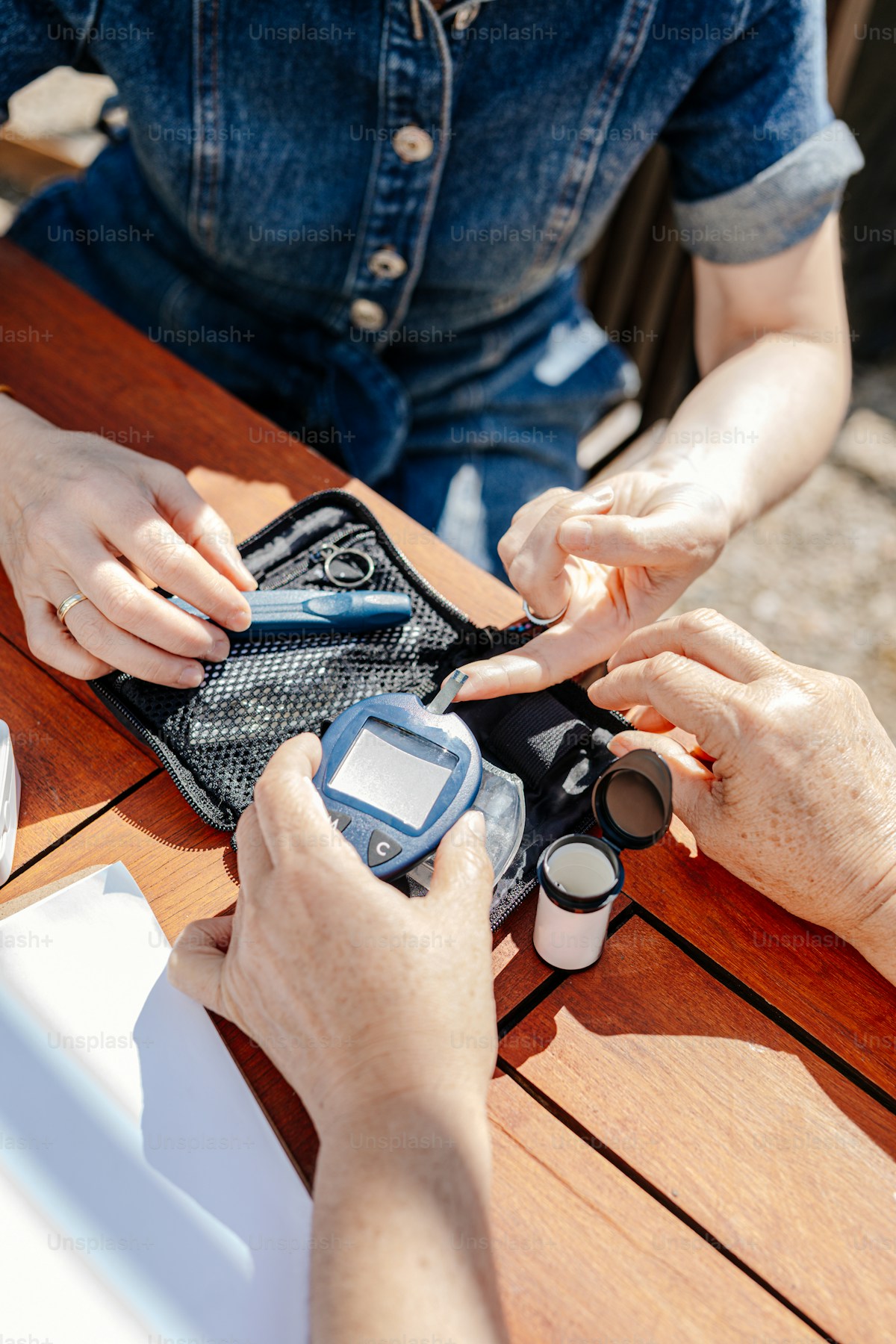
For older adults already managing diabetes or prediabetes, quinoa is a significantly better grain option than white rice, white bread, or regular pasta. A detailed look at how quinoa fits into a diabetic eating plan covers portions and meal strategies specific to blood sugar control.
Easy-to-Prepare Quinoa Meals
One of the biggest barriers to good nutrition in later life is the effort involved in cooking. Fatigue, joint pain, reduced grip strength, and simply not wanting to spend an hour in the kitchen can lead to reliance on processed convenience foods. Quinoa is one of the easiest whole grains to prepare, and the methods below keep things as simple as possible.
Basic Quinoa in 20 Minutes
If you have not cooked quinoa before, the step-by-step guide to cooking quinoa walks you through everything including rinsing, ratios, and timing. The short version:
- Rinse 1/2 cup dry quinoa under cold water for 30 seconds (a fine mesh strainer works best)
- Combine with 1 cup water or low-sodium broth in a small saucepan
- Bring to a boil, reduce to a simmer, cover, and cook for 15 minutes
- Let it sit covered for 5 minutes, then fluff with a fork
This yields about 1.5 cups of cooked quinoa, enough for two to three servings. If you find that your hands struggle with strainers, you can buy pre-rinsed quinoa that skips this step entirely.
Minimal Chopping Meals
When knife work is difficult due to arthritis or reduced grip strength, these approaches help:
- Use pre-cut vegetables. Most grocery stores sell pre-chopped onions, pre-sliced mushrooms, shredded carrots, bagged coleslaw mix, and frozen stir-fry blends. These are not a luxury; they are a practical tool for maintaining a nutritious diet.
- Choose soft vegetables that break down easily. Canned diced tomatoes, frozen spinach, canned beans, and frozen peas require zero cutting and add nutrition to any quinoa bowl.
- Use kitchen shears instead of a knife. Scissors can cut herbs, green onions, cooked chicken, and even some soft vegetables more easily than a knife and cutting board.
A simple no-chop quinoa meal: Cook quinoa in chicken or vegetable broth. Stir in a drained can of black beans, a handful of frozen corn, and a spoonful of salsa. Top with shredded cheese. The entire meal requires no chopping whatsoever.
One-Pot Quinoa Meals
Cleaning multiple pots and pans is tiring and sometimes painful for hands with arthritis. One-pot meals solve this problem while producing satisfying, complete meals.
The basic one-pot quinoa method:
- Saute your aromatics (pre-minced garlic from a jar, dried onion flakes) in a bit of olive oil
- Add quinoa, liquid, and your chosen vegetables and protein
- Bring to a boil, cover, reduce heat, and simmer for 15 to 20 minutes
- Season, stir, and serve directly from the pot
A one-pot quinoa with chicken and broccoli is a perfect example of this approach. Using frozen broccoli florets and pre-cooked rotisserie chicken, you can have a complete, protein-rich meal with almost no prep work and only one pot to wash.
For more dinner ideas that keep effort to a minimum, the collection of easy quinoa dinners includes several options well suited to smaller households.
Soft-Textured Quinoa Dishes for Dental Sensitivity
Dental issues are common among older adults. Gum sensitivity, missing teeth, dentures, dry mouth, and difficulty chewing can all make eating uncomfortable. Quinoa is naturally soft when cooked, but some preparations make it even gentler on sensitive mouths.
Quinoa Porridge
Cooked quinoa can be simmered with extra liquid to create a creamy, soft porridge that requires essentially no chewing. This works for both sweet and savory versions.
Sweet porridge: Cook 1/3 cup quinoa with 1 cup milk (dairy or plant-based) instead of water. Add a pinch of cinnamon and a drizzle of honey or maple syrup. The quinoa absorbs the milk and becomes very soft and creamy. Top with mashed banana or soft berries. An overnight quinoa porridge takes this even further by soaking the quinoa overnight so it practically dissolves into the liquid.
Savory porridge: Cook quinoa in extra broth until it reaches a creamy, almost risotto-like consistency. Stir in a beaten egg during the last minute of cooking (it will cook in the residual heat and add protein). Season with a small amount of soy sauce and sesame oil. This produces a warm, nourishing bowl that slides down easily.
Quinoa Soups
Soups are a natural choice when chewing is difficult. Quinoa added to soup absorbs liquid and becomes very soft, almost dissolving into the broth while adding protein, fiber, and body to the soup. A collection of quinoa soup recipes includes several varieties that work beautifully for sensitive mouths.
Simple quinoa soup base:
- Warm olive oil in a pot, add pre-minced garlic
- Add 4 cups of low-sodium chicken or vegetable broth
- Stir in 1/3 cup rinsed quinoa and your choice of soft vegetables (diced canned tomatoes, frozen spinach, frozen peas, sliced zucchini)
- Simmer covered for 20 minutes
- Season with salt, pepper, and a squeeze of lemon juice
The quinoa thickens the broth naturally, creating a heartier soup without the need for cream or flour-based thickeners.
Blended Quinoa in Smoothies
For days when even soft foods feel like too much, cooked quinoa blends smoothly into fruit smoothies. Add 1/4 cup of cooked and cooled quinoa to your blender along with a banana, a handful of berries, milk or yogurt, and a spoonful of nut butter. The quinoa adds protein and fiber without changing the texture in a noticeable way.
Quinoa for Bone Density
We touched on the bone-health minerals in quinoa earlier, but it is worth going deeper because osteoporosis prevention is one of the areas where quinoa genuinely excels compared to other grains.
The Mineral Trio: Calcium, Magnesium, and Phosphorus
Your bones are not static structures. They are constantly being broken down and rebuilt in a process called bone remodeling. After about age 35, the breakdown starts to outpace the rebuilding, and this imbalance accelerates after menopause in women and after age 70 in men.
Three minerals are critical to the rebuilding side of this equation:
- Calcium provides the raw building material for bone tissue
- Phosphorus combines with calcium to form the hard mineral structure of bone
- Magnesium regulates calcium transport and activates vitamin D, which controls calcium absorption
Most dietary guidance focuses on calcium alone, but research increasingly shows that magnesium deficiency is a significant and underrecognized contributor to bone loss. An estimated 50% of Americans over 70 consume less magnesium than recommended.
Quinoa will not single-handedly solve a magnesium deficiency, but making it a regular part of your diet meaningfully increases your magnesium intake in a way that is sustainable and enjoyable.
Building a Bone-Friendly Quinoa Plate
To maximize the bone-health benefits of quinoa, pair it with other mineral-rich foods:
- Quinoa + sauteed dark leafy greens (kale, spinach, collard greens) for added calcium and vitamin K
- Quinoa + canned salmon or sardines (with bones) for calcium and vitamin D
- Quinoa + white beans for additional magnesium and calcium
- Quinoa + fortified milk or yogurt on the side for calcium and vitamin D
The combination matters more than any single food. A meal built around quinoa with leafy greens and a piece of salmon provides calcium, magnesium, phosphorus, vitamin D, vitamin K, and protein, all of which support bone maintenance.
Managing Cholesterol With Quinoa
Elevated cholesterol is common in older adults and is a modifiable risk factor for heart disease and stroke. While medication is often necessary, diet plays an important supporting role.
How Quinoa Helps
Soluble fiber. Quinoa contains both soluble and insoluble fiber. The soluble fiber forms a gel-like substance in your digestive tract that binds to cholesterol-rich bile acids and carries them out of your body. Your liver then pulls cholesterol from your blood to make more bile acids, effectively lowering your circulating cholesterol levels.
Healthy fat profile. About 25% of the fat in quinoa is oleic acid, the same monounsaturated fat that makes olive oil heart-healthy. Quinoa also contains alpha-linolenic acid, a plant-based omega-3 fatty acid associated with reduced inflammation.
Plant sterols. Quinoa contains small amounts of plant sterols (phytosterols), which structurally resemble cholesterol and compete with it for absorption in the gut. This competition reduces the amount of dietary cholesterol your body absorbs.
Cholesterol-Friendly Quinoa Meals
To leverage quinoa’s cholesterol-lowering properties, build meals that combine it with other heart-healthy foods:
- Quinoa with oat bran and walnuts (breakfast bowl) for a fiber and omega-3 boost
- Quinoa salad with avocado and olive oil dressing for monounsaturated fats
- Quinoa with beans and vegetables for soluble fiber from multiple sources
- Quinoa replacing white rice or pasta in any meal to lower the glycemic impact and increase fiber intake
These are not dramatic changes. Replacing your usual starch with quinoa at one meal per day adds meaningful fiber and nutrients over time.
Batch Cooking for One or Two People
Cooking for one or two presents its own challenges. Recipes designed for four or six people produce too much food, leading to waste or monotonous leftovers. At the same time, cooking from scratch every night for just yourself is exhausting and impractical.
Batch cooking quinoa is the solution. It stores well, reheats beautifully, and can be used in completely different meals throughout the week.
The Weekly Batch Cook
At the beginning of each week, cook a larger batch of plain quinoa to use as a base for multiple meals. A detailed walkthrough of how to batch cook quinoa covers the method, but here is the simplified version:
- Cook 1 cup of dry quinoa (yields about 3 cups cooked)
- Let it cool completely
- Divide into portions in airtight containers
- Refrigerate what you will use within 4 to 5 days
- Freeze the rest in freezer-safe bags or containers
For proper storage times and techniques, the quinoa storage guide covers refrigeration, freezing, and how to tell if stored quinoa has gone bad.
Portion Planning for One
If you are cooking for yourself, 1 cup of dry quinoa per week is a good starting point. This gives you roughly six servings of about 1/2 cup each. Understanding quinoa serving sizes helps you plan accurately so nothing goes to waste.
A sample week using one batch:
| Day | Meal | Quinoa Used |
|---|---|---|
| Monday | Quinoa soup with vegetables | 1/2 cup |
| Tuesday | Quinoa breakfast porridge | 1/3 cup |
| Wednesday | Quinoa and black bean bowl | 1/2 cup |
| Thursday | Quinoa stirred into green salad | 1/3 cup |
| Friday | Quinoa with salmon and greens | 1/2 cup |
| Weekend | Remaining quinoa in any form | 1/3 to 1/2 cup |
Portion Planning for Two
For two people, cook 1.5 to 2 cups of dry quinoa per week. The same variety of meals applies, just with slightly larger portions. Having pre-cooked quinoa in the refrigerator makes it possible to put a complete meal on the table in 10 to 15 minutes, which is faster than most takeout delivery.
Reheating Tips
Refrigerated quinoa can become slightly dry and compacted. To restore its fluffy texture:
- Microwave method: Place quinoa in a microwave-safe bowl, sprinkle with a tablespoon of water, cover loosely, and heat for 60 to 90 seconds. Fluff with a fork.
- Stovetop method: Add quinoa to a small saucepan with a splash of water or broth. Warm over low heat, stirring gently, until heated through.
- Direct to soup or stir-fry: If you are adding quinoa to a hot dish, you can stir it in cold directly from the refrigerator. The heat of the dish will warm it through.
Simple Weeknight Quinoa Meals
These meal ideas are designed for older adults who want nutritious food without spending a long time in the kitchen. Each one uses pre-cooked quinoa from your weekly batch and takes 15 minutes or less.
Five-Minute Quinoa Bowls
These require nothing more than assembling ingredients:
Mediterranean bowl: Pre-cooked quinoa + canned chickpeas (drained) + diced cucumber + cherry tomatoes (halved) + crumbled feta + a drizzle of olive oil and lemon juice. No cooking required.
Tuna quinoa bowl: Pre-cooked quinoa + canned tuna (drained) + diced celery + a spoonful of mayonnaise or Greek yogurt + a squeeze of lemon. Protein-rich and ready in minutes.
Cottage cheese and quinoa bowl: Pre-cooked quinoa + cottage cheese + canned peaches (drained) + a sprinkle of cinnamon. High in protein and calcium, and very soft in texture.
Ten-Minute Warm Meals
These require minimal stovetop time:
Egg and quinoa scramble: Warm pre-cooked quinoa in a skillet. Push to the side, scramble two eggs, then stir everything together. Add salt, pepper, and hot sauce if you like. This delivers about 22 grams of protein.
Quinoa with frozen stir-fry vegetables: Heat a splash of oil in a skillet. Add a cup of frozen stir-fry vegetable mix and cook for 5 minutes. Stir in pre-cooked quinoa and a tablespoon of soy sauce or teriyaki sauce. Done.
Warm quinoa with canned soup: Heat your favorite canned soup (tomato, minestrone, or chicken noodle). Stir in a scoop of pre-cooked quinoa to add protein and fiber, turning a light soup into a more substantial meal.
Fifteen-Minute Complete Meals
Quinoa with rotisserie chicken and steamed broccoli: Steam frozen broccoli in the microwave (3 to 4 minutes). Shred some rotisserie chicken. Combine with warmed quinoa. Season with garlic powder, salt, and a drizzle of olive oil.
Quinoa quesadilla: Spread pre-cooked quinoa and shredded cheese on a flour tortilla. Fold in half and cook in a dry skillet for 2 to 3 minutes per side until the cheese melts and the tortilla is golden. Serve with salsa. The quinoa adds protein and makes the quesadilla more filling.
Simple quinoa fried rice: Heat oil in a skillet. Add pre-cooked quinoa, frozen peas and carrots, and a splash of soy sauce. Push to the side and scramble an egg. Mix everything together. This is a satisfying, protein-rich meal that comes together quickly.
Quinoa and Medication Interactions: What to Know
Many older adults take multiple medications, and certain foods can interact with them. While quinoa is generally safe and well tolerated, there are a few considerations worth mentioning.
Vitamin K and Blood Thinners
If you take warfarin (Coumadin) or another vitamin K-sensitive blood thinner, you need to maintain consistent vitamin K intake rather than dramatically increasing or decreasing it. Quinoa contains only a small amount of vitamin K (about 1 microgram per cup), so it is unlikely to affect your INR levels. However, if you are pairing quinoa with large amounts of leafy greens (kale, spinach, collard greens), be aware that those vegetables are high in vitamin K. The issue is the greens, not the quinoa, but it is worth tracking if you eat quinoa-and-greens bowls frequently.
Oxalates and Kidney Concerns
Quinoa contains oxalates, compounds that can contribute to kidney stone formation in susceptible individuals. If you have a history of calcium oxalate kidney stones, discuss quinoa consumption with your doctor. Rinsing quinoa before cooking and ensuring adequate hydration can help reduce oxalate concerns.
Fiber and Medication Absorption
High-fiber foods can affect how quickly certain medications are absorbed. If you take thyroid medication (levothyroxine), certain antibiotics, or other medications that require an empty stomach, it is best to maintain a gap between taking the medication and eating a fiber-rich meal like quinoa. As a general rule, take medications at least 30 to 60 minutes before eating, but follow your pharmacist’s specific guidance.
Magnesium and Medication Interactions
The magnesium in quinoa can potentially interact with certain medications, including some antibiotics (tetracyclines, fluoroquinolones) and bisphosphonates (osteoporosis medications like alendronate). Magnesium can reduce the absorption of these drugs. Again, maintaining a time gap between medication and meals typically prevents issues.
The Bottom Line on Interactions
Quinoa is a safe food for the vast majority of older adults, including those on multiple medications. The interactions listed above are not reasons to avoid quinoa but rather reasons to be thoughtful about timing. If you take several medications and are uncertain, bring a list of your medications to your next doctor or pharmacist visit and ask specifically about food interactions.
Making Quinoa a Sustainable Habit
The best nutritional change is one you can maintain. Here are practical strategies for making quinoa a regular part of your diet without it feeling like a burden.
Start Small
If quinoa is new to you, do not try to eat it every day immediately. Start with two or three meals per week and see how you feel. Your digestive system may need a week or two to adjust to the increased fiber.
Keep It Convenient
Store pre-cooked quinoa at the front of your refrigerator where you can see it. When healthy food is visible and ready to eat, you are far more likely to reach for it than if you have to cook from scratch.
Vary the Flavors
Quinoa is a blank canvas. It takes on the flavor of whatever you cook it in or top it with. Cook it in broth one day, use it in a sweet porridge the next, toss it into soup later in the week. This variety prevents the food fatigue that causes many people to abandon healthy eating changes.
Pair With Familiar Foods
You do not need to reinvent your entire diet. If you already enjoy soup, add quinoa to it. If you eat eggs for breakfast, stir in some quinoa. If you have a favorite chicken dinner, serve it over quinoa instead of rice. Small substitutions add up without requiring you to learn an entirely new way of cooking.
Ask for Help When You Need It
If standing at the stove is difficult, cooking fatigue is real, or grocery shopping has become overwhelming, there is no shame in asking family members to help with a weekly batch cook, using grocery delivery services, or purchasing pre-cooked quinoa packets that only need reheating. The goal is nutrition, not culinary heroics.
Key Takeaways
Quinoa offers older adults a rare combination of benefits in a single, easy-to-prepare food:
- Bone support through magnesium, phosphorus, and manganese
- Muscle maintenance through complete plant protein
- Heart health through fiber, healthy fats, and potassium
- Blood sugar stability through its low glycemic index and high fiber content
- Easy preparation with one-pot methods, batch cooking, and minimal chopping requirements
- Gentle texture that works well for dental sensitivity when prepared as porridge or soup
The practical reality matters just as much as the nutritional profile. Quinoa cooks in 15 minutes, stores well for days, reheats easily, and works in everything from breakfast porridge to dinner bowls. For older adults looking to improve their nutrition without adding complexity to their daily routine, it is one of the most practical changes you can make.
Start with a simple batch cook this week, try one or two of the meal ideas above, and see how it fits into your routine. Good nutrition does not have to be complicated, and with quinoa, it genuinely is not.