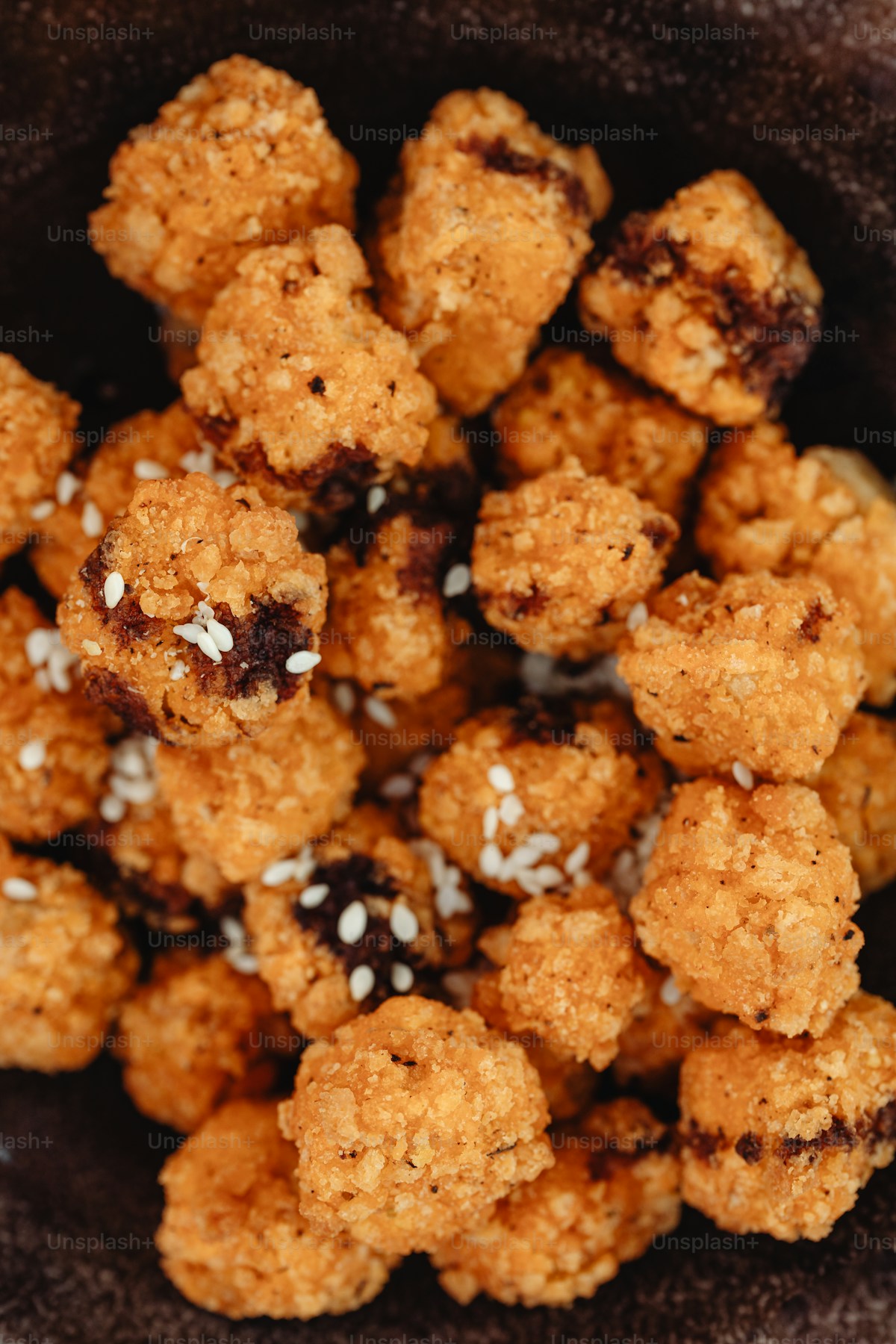
Crispy Quinoa Bites (Air Fryer or Oven)
15m easy
gluten-free vegan
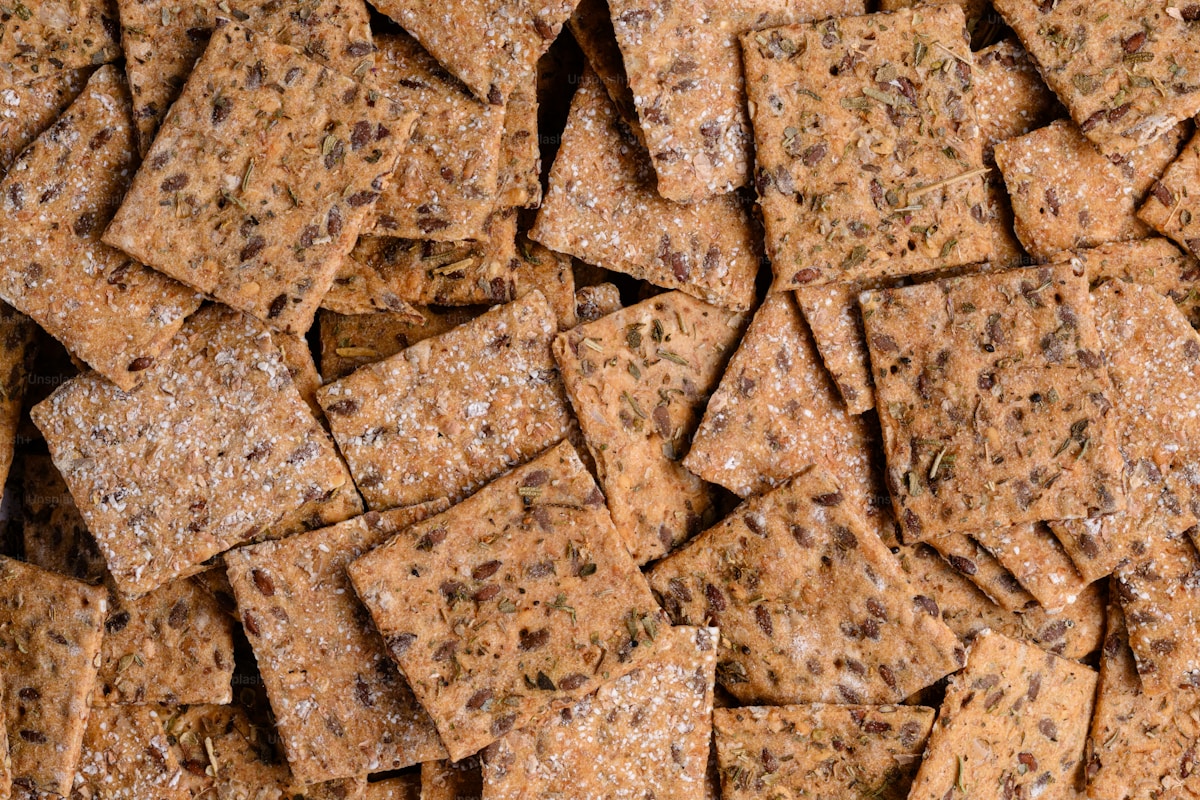
Thin, shatteringly crispy homemade crackers made from cooked quinoa and quinoa flour with chili flakes, sesame seeds, and sunflower seeds. Vegan and gluten-free.
Homemade crackers sound fussy until you actually make them, and then you realize the process is simpler than most cookie recipes. These spicy quinoa crackers are built on a base of cooked quinoa and quinoa flour, studded with sesame and sunflower seeds, and given a slow heat from red chili flakes and smoked paprika. They bake into thin, shatteringly crispy sheets that you snap apart into irregular shards — the kind of crackers that make store-bought versions seem like an unnecessary expense.
The combination of cooked quinoa and quinoa flour is what gives these crackers their distinctive character. The cooked quinoa provides individual grains that you can see and feel in every cracker, creating a rustic texture with tiny pops of crunch. The quinoa flour acts as the binding agent that holds everything together and allows you to roll the dough thin without it falling apart.
The flax egg replaces a traditional egg to keep the recipe vegan. Ground flaxseed mixed with water forms a gel that binds the dough while also adding a subtle nutty flavor and extra fiber. Let the flax egg sit for the full five minutes — rushing this step means it will not gel properly and your dough will be harder to work with.
When mixing the dough, use your hands for the final stages rather than relying on a spoon. You want to feel the consistency and make sure everything is evenly combined. The dough should hold together in a ball without crumbling but should not be so wet that it sticks to your fingers. This is where the added water comes in — start with two tablespoons and add the third only if the dough genuinely feels too dry. If you want to learn more about what quinoa flour is and how it behaves in baking, that guide covers the differences between whole grain and flour forms.
Rolling the dough thin enough is the single most important step in this recipe. Thick crackers will not crisp properly in the center — they will be crunchy on the outside and chewy on the inside, which is not what you want. You are aiming for about one-sixteenth of an inch, which is roughly the thickness of a standard store-bought cracker.
The parchment paper sandwich technique makes this much easier than rolling directly on a floured surface. Place the dough on the bottom sheet of parchment, cover with the top sheet, and roll with steady, even pressure from the center outward. The parchment prevents sticking without needing additional flour, which would change the texture of the finished crackers.
If the dough resists rolling and springs back, let it rest for five minutes. This allows the flax egg to relax and the quinoa flour to fully hydrate, making the dough more pliable. After resting, you should be able to roll it to the desired thinness without difficulty.
Do not worry about making a perfect rectangle. Irregular edges are part of the charm of homemade crackers. Score the dough into whatever shapes appeal to you — squares, rectangles, triangles, or long sticks that work well for dipping.
The oven temperature is deliberately lower than you might expect for something you want to be crispy. At 325 degrees, the crackers dry out gradually and evenly, which produces consistent crispiness across the entire sheet. Higher temperatures risk burning the thin edges while the thicker center sections remain soft.
Watch the crackers carefully during the last five minutes of baking. They transition from golden to burnt quickly, and the chili flakes and seeds can scorch if left too long. The crackers in the center of the sheet will finish last, and those at the edges will be done first. If you notice the edges darkening too fast, you can carefully break off the done pieces and return the center section to the oven for a few more minutes.
The cooling period is when the magic happens. Crackers that feel slightly flexible when they come out of the oven will snap into rigid, crispy shards as they cool to room temperature. This is because the remaining moisture in the dough evaporates as the crackers cool, and the starches set into a firm, glassy structure. Resist the urge to test them before they are fully cooled — you will get a misleading read on the texture.
The chili flake level in this recipe produces a moderate, slow-building heat that tingles on the back of your tongue without overwhelming the other flavors. If you prefer more heat, increase the chili flakes to one and a half or even two teaspoons. For less heat, drop to half a teaspoon or substitute the chili flakes with a milder option like Aleppo pepper flakes, which add a fruity warmth without sharp heat.
For a smoky variation, increase the smoked paprika to a full teaspoon and add half a teaspoon of cumin. This produces crackers that taste almost like a smoky barbecue chip.
For an herb-forward version, reduce the chili flakes to a quarter teaspoon and add two tablespoons of dried Italian herb blend. These taste wonderful paired with a soft goat cheese or a white bean hummus.
Everything bagel crackers are easy to achieve — replace the chili flakes, paprika, and garlic powder with three tablespoons of everything bagel seasoning. The poppy seeds and extra sesame in the seasoning blend complement the quinoa base perfectly.
These crackers are substantial enough to stand on their own as a snack but really shine when paired with dips and spreads. Hummus is the classic pairing, and the spicy kick of the crackers plays well against the smooth, mild chickpea base. Guacamole works beautifully too, especially if you lean into the spice and serve them as part of a spread alongside crispy quinoa bites for a fully quinoa-based snacking experience.
On a cheese board, these crackers contribute texture and heat that balance rich, creamy cheeses. Try them with brie, goat cheese, or a sharp aged cheddar. A smear of fig jam on the cracker before topping with cheese creates a sweet-spicy-savory combination that is hard to stop eating.
For a different use entirely, crush leftover crackers into coarse crumbs and use them as a coating for baked chicken tenders or fish, or scatter the crumbs over a salad for extra crunch. Pair a handful with some quinoa granola bars in a lunchbox for a satisfying mix of sweet and savory snacks.
Store the crackers in an airtight container at room temperature for up to two weeks. They actually improve slightly after the first day as any residual moisture fully evaporates and the texture becomes even crispier. If they do soften over time — which can happen in humid environments — spread them on a baking sheet and bake at 300 degrees for 5 minutes to re-crisp them. These crackers do not freeze well, as the moisture from thawing tends to make them soggy. It is better to simply bake a fresh batch, which takes under an hour from start to finish.
Preheat the oven to 325 degrees Fahrenheit and line a large baking sheet with parchment paper. Prepare the flax egg by stirring together the ground flaxseed and three tablespoons of water in a small bowl. Let it sit for 5 minutes until it becomes thick and gel-like.
In a large mixing bowl, combine the cooked quinoa, quinoa flour, sesame seeds, sunflower seeds, olive oil, chili flakes, smoked paprika, garlic powder, onion powder, salt, and black pepper. Add the prepared flax egg and stir everything together until a cohesive dough forms. If the mixture is too dry and crumbly, add water one tablespoon at a time until the dough holds together when pressed. It should feel like a stiff, slightly sticky dough rather than a loose batter.
Place the dough ball on the center of the parchment-lined baking sheet. Lay a second sheet of parchment paper on top and use a rolling pin to roll the dough out as thinly and evenly as possible, aiming for about one-sixteenth of an inch thickness. The thinner you roll the dough, the crispier the crackers will be. Remove the top sheet of parchment carefully.
Use a sharp knife or pizza cutter to score the dough into squares or rectangles, cutting all the way through to the parchment. You can make them whatever size you prefer — roughly two-inch squares are a good standard. Do not separate the pieces yet; they will break apart easily after baking.
Bake for 22 to 25 minutes, checking at the 18-minute mark. The crackers are done when they are golden brown across the entire surface and feel dry and firm to the touch. The edges will darken first, and if your oven has hot spots you may need to rotate the pan at the 15-minute mark for even browning. Remove from the oven and let cool completely on the baking sheet. The crackers will continue to crisp as they cool.
Once fully cooled, break the crackers apart along the scored lines. Any pieces that still feel slightly soft can be returned to the oven at 300 degrees for 5 additional minutes. Store in an airtight container at room temperature.
Join 1,000+ home cooks who get weekly quinoa recipes and tips.
No spam. Unsubscribe anytime.